
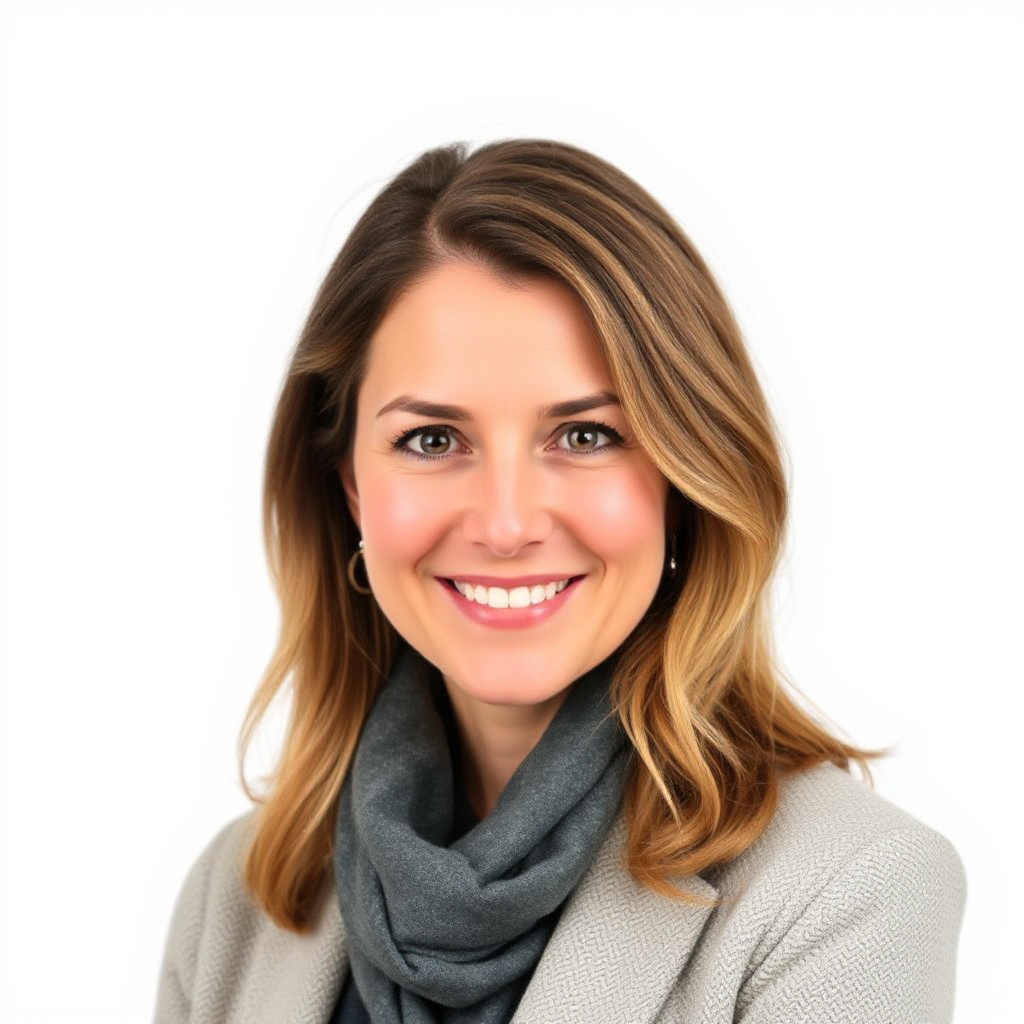

Ex- Google boss Matt Brittin named as the BBC's next chief executive.
The former president of Google's EMEA division will succeed the outgoing director general, who stated his exit in the autumn after a controversy over how a BBC programme presented a address by Donald Trump.
The corporation's chairman Samir Shah stated that the appointee, who left Google in the previous year after 18 years, "provides the BBC considerable expertise of guiding a prominent and highly-complex entity during significant evolution".
Brittin, 57 said he "is eager to start this task", calling it "a moment of significant danger, yet also significant possibility".
He added that the United Kingdom must have "a robust BBC that works for all in a complicated, uncertain and rapidly evolving world".
Setting out his vision, he continued: "It must have the pace and vigour to be both where stories are, and engaging with the public. To build on the reach, credibility and production quality currently, tackle difficulties with courage, and prosper as a national institution fit for the coming era."
'Radical Reform'
The chairman called Brittin "a remarkable leader" with "the attributes necessary to guide the broadcaster through the many developments happening in the media market and in viewer and listener behaviours".
The BBC chief also highlighted Brittin's "passion for the BBC, his grasp of the problems facing the organisation, his allegiance to its autonomy and his determination to maintain the BBC's standing as one of the UK's most important national assets".
The new chief joins at "a pivotal time", as the authorities assesses the BBC's constitutional framework, Shah added.
"It is clear there is a necessity for radical reform of the BBC, its financial structure and the framework in which it functions. The risks for the BBC, and the future of the PSB model, have never been more significant."

The corporation's leadership role is regarded to be one of the most demanding in British broadcasting.
During Davie's tenure as the broadcaster's 17th director general, he was faced with handling a series of scandals and challenges at the organisation.
His key tasks will encompass handling a multi-billion dollar libel claim filed by the former president against the BBC.
Trump is disputing the way the programme edited together two sections of a speech he gave on 6 January 2021, for which the BBC has said sorry.
The previous week the organisation asked a judge to throw out the case, saying the Panorama segment was not broadcast in the US.
BBC at a Turning Point
The incoming chief takes charge at a crucial period for the BBC in additional respects, too.
He will take forward negotiations with the ministers on the corporation's remit and the future of the funding mechanism and corporation financing.
The present agreement, which sets out the terms and aims of the BBC's operation, will come to an end in the near future.
His hiring also occurs at a moment when the BBC is vying with digital behemoths in the digital media market.
The search engine's parent company controls YouTube, with which the BBC has announced a significant deal to create bespoke programmes.
Big Tech Background a Advantage?
A number of individuals inside Google "speak highly" about him, describing him as an charismatic boss and a excellent collaborator".
Some have raised doubts about the BBC's appointment someone with a background in technology rather than traditional broadcasting or conventional journalistic experience.
However, it is reported that "he's been picked by the BBC's governing body for his deep understanding of major tech firms. There's an expectation he will drive the move to online, for example in journalism. He'll also almost certainly focus on revamping and improving BBC iPlayer."
Ex- senior BBC journalist a former colleague, who collaborated with him at Google, remarked he is "strongly driven by a ethos of serving the public".
"He admires the BBC for its trusted news and its creative output, but he's also very conscious of its history as a technical leader.
"He wants the BBC to prosper in a environment where several of its greatest difficulties are connected to tech, whether that's the influence of the streaming services, online misinformation, or merely how the public wish to access media.
"In light of his experience and connections throughout the digital world, and also the connections he's built with broadcasters, the press, oversight bodies and politicians, I think he's very well placed to meet the challenges."
Who is Matt Brittin?

Hailing in southern England, Brittin received a degree from the University of Cambridge, while also rowing for them in the Boat Race on three occasions.
He also competed for Britain and won|secured|earned


